
Eye fatigue, explained plainly
Natural Ways to Reduce Eye Fatigue
Practical, evidence-aware guidance on digital eye strain, screen breaks, lighting, and the habits that hold up across a long working day in Jakarta.
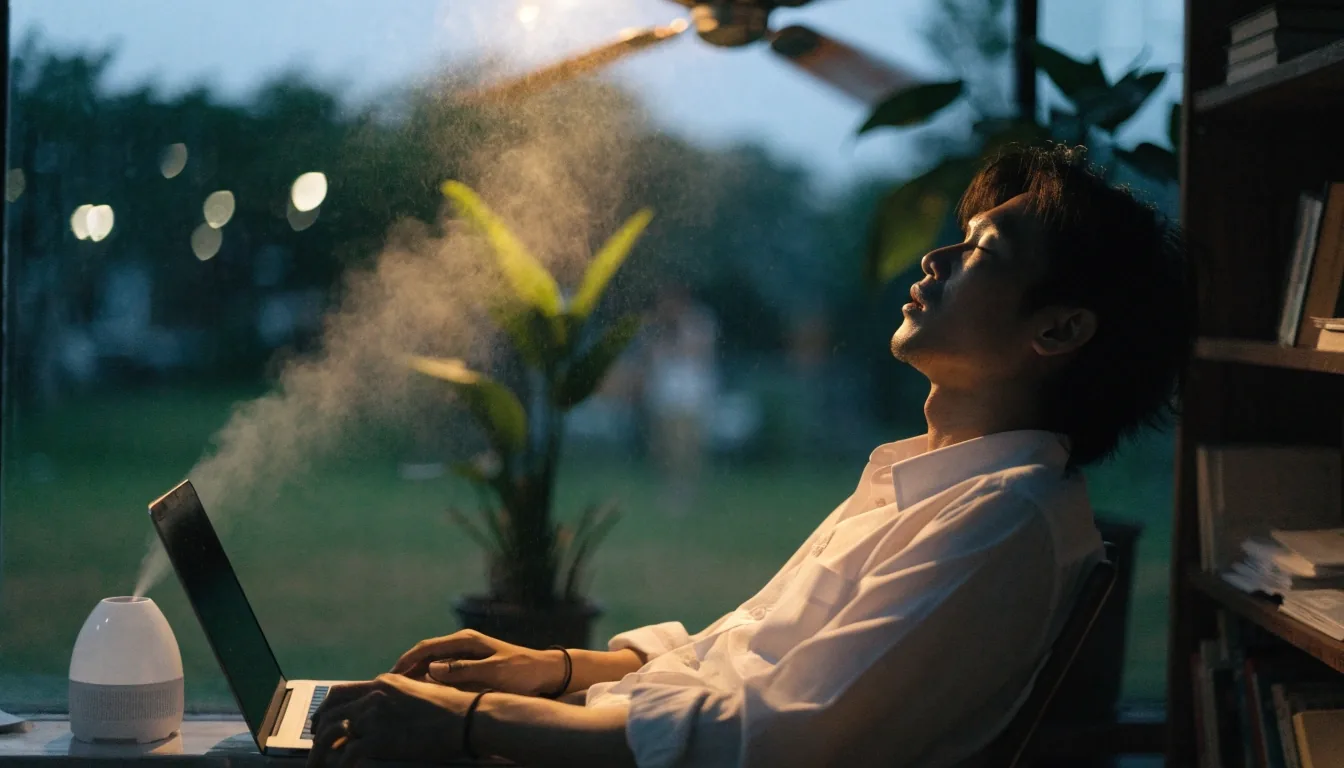
Most screen-time eye fatigue comes from four ordinary things: sustained close focus, slowed blinking, glare, and dry indoor air.
Photographed at a working desk, not a studio.
If your eyes feel gritty by mid-afternoon, you are not imagining it. Long stretches on a laptop, a phone held too close, or a monitor in a badly lit room all push the same muscles and tear film harder than they were designed to work. Visual Clarity Flow collects the practical, low-friction habits that ophthalmology and clinic guidance actually point to, then explains what each one does and where it stops helping.
The goal is simple: fewer tired evenings, less rubbing, and a clearer idea of when tired eyes deserve a professional look.
Start with what the evidence supports
Most relief comes from ordinary adjustments, not gadgets. The 20-20-20 rule, better lighting, higher text contrast, and occasional lubricating drops show up again and again in clinical guidance for screen-related strain. None of them is dramatic. Together they address the handful of causes that keep showing up, and each gets its own guide here so you can fix one thing at a time instead of rebuilding your whole desk.
Fix one cause at a time
Change your break rhythm this week. Leave lighting and screen distance for next week. Habits stick when they are not competing.
Four causes keep recurring across the clinical guidance we read.
Nothing here is for sale
We do not sell eyewear, drops, or filters. Where the evidence is thin, the guide says so rather than padding the answer.
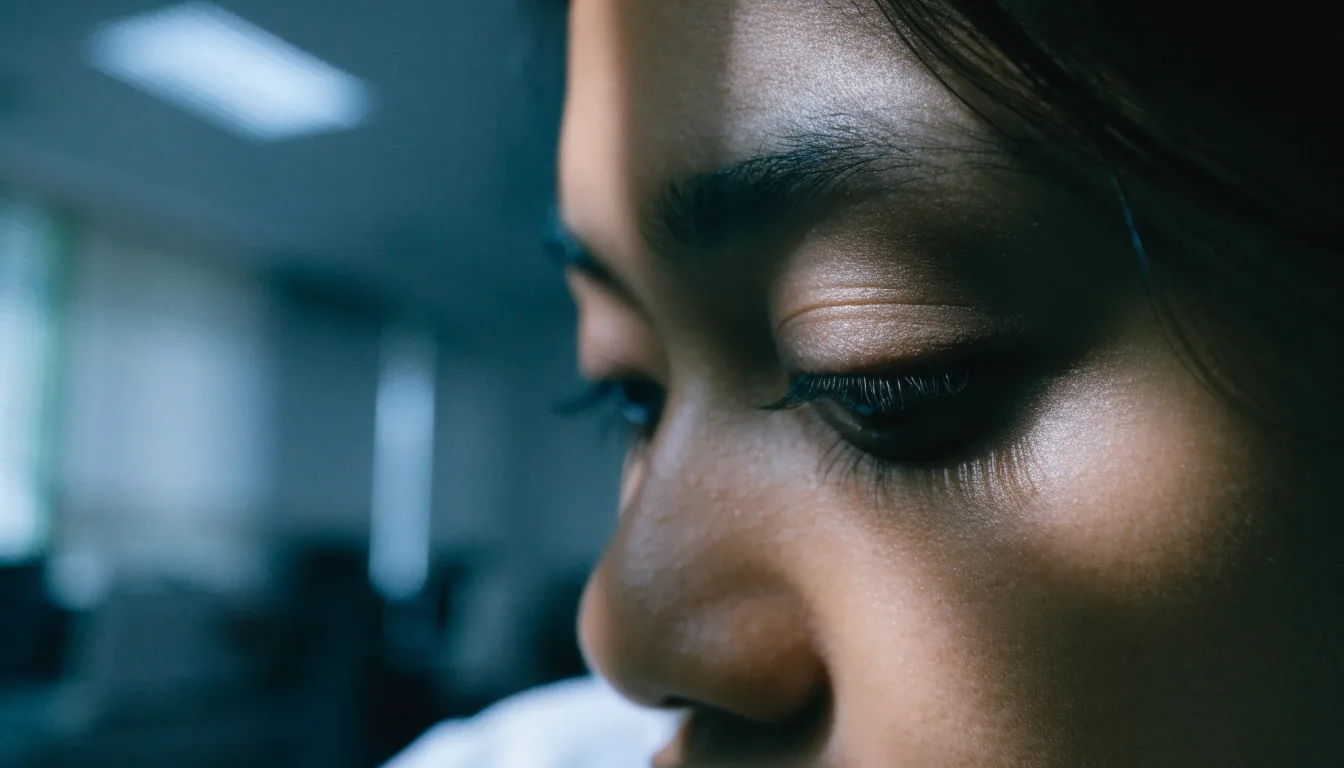
Why screen time dries your eyes out
Blinking tends to slow down when you read or watch something on a screen. That matters because every blink spreads tear film across the surface of the eye, and when the rate drops, the film breaks up faster. The result is the burning, sandy feeling people describe as tired eyes.
It is not only about hours logged. A short session with very few blinks can leave you more uncomfortable than a longer one where you looked away and blinked normally, which is why counting screen hours alone rarely explains how your eyes feel by evening.
Pick the guide that matches your situation
Each guide stands on its own. Read the one that fits your day and ignore the rest; you can always come back for the next one.
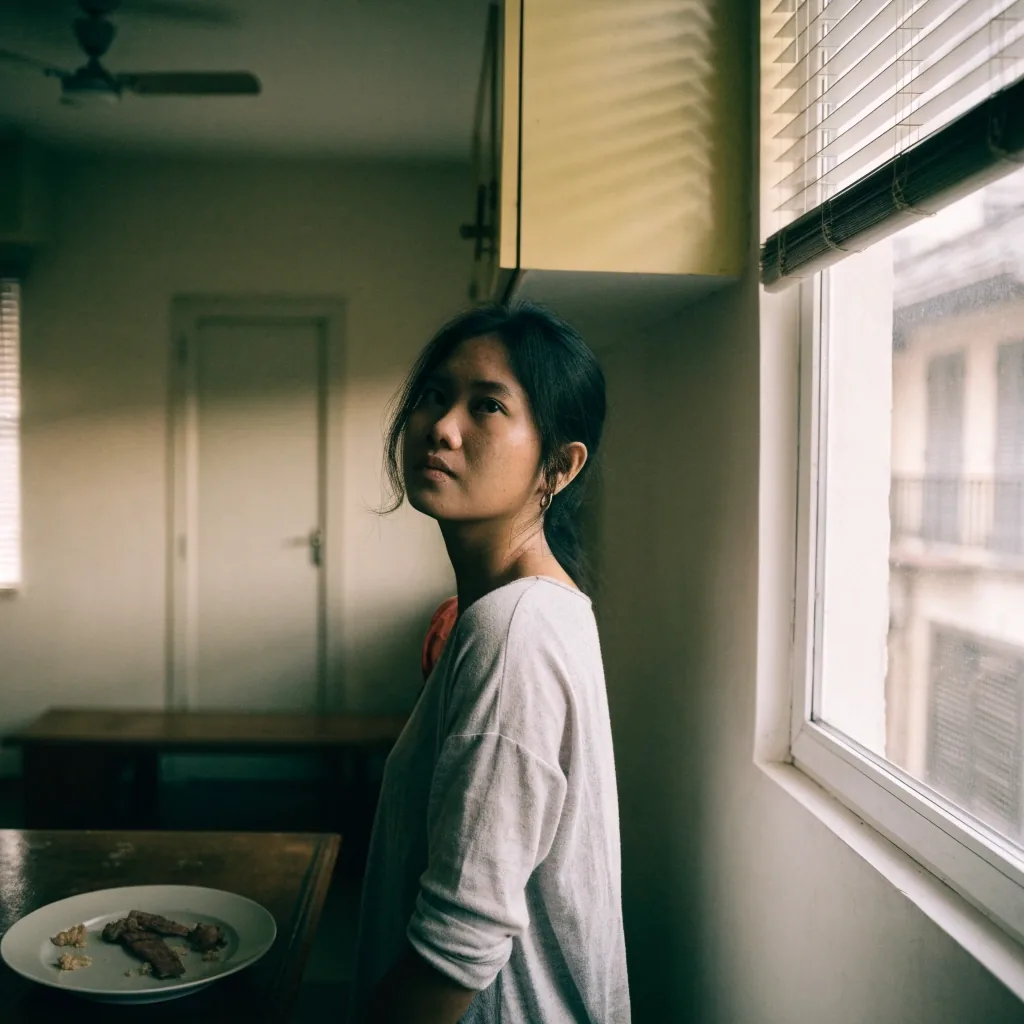
The 20-20-20 rule, without the rigid version
Every 20 minutes, look at something roughly 20 feet away for about 20 seconds. That is the classic instruction, and it works because it relaxes the focusing muscle and prompts a few blinks.
The strict schedule fails for most people because it interrupts deep work. Fold the pause into what already happens: the moment a meeting ends, the seat change on a commute, the walk to refill a glass. The exact timing matters far less than the pause itself, so a flexible version you actually keep beats a strict one you abandon by Wednesday.
See how to build screen breaksWhat the evidence stack actually looks like
Not every habit carries the same weight. Some are backed by consistent clinical guidance; others are sold harder than they are proven. The three bands below show how we sort what we read before it reaches a guide.
Consistent guidance
Break habits, room lighting, text contrast, and viewing distance show up across clinic and ophthalmology sources. We treat these as the first things to change.
Supportive, not a cure
Lubricating drops and a humidifier help comfort in dry rooms, but they work alongside better habits rather than replacing them.
Thin evidence
Blue-light blocking lenses sit here. A 17-study review reported no meaningful benefit for eye strain compared with standard lenses, and the American Academy of Ophthalmology does not recommend them for computer use because the evidence is lacking.
Density of the dots tracks how consistent the guidance is, not how strongly we feel about it. Read the full blue-light breakdown before you spend on a second pair.
Glare and contrast do more than you think
A window behind your monitor, overhead lights bouncing off a glossy screen, or low-contrast gray text on a light background all make your eyes work harder to resolve what you are reading. Fixing this is often free: move the screen, angle it away from the light source, raise text contrast, or add a matte filter.
These changes reduce the squinting that quietly accumulates into end-of-day fatigue. Screen settings people notice fastest: raising contrast, increasing font size, and matching brightness to the room.
Fix your lighting and glare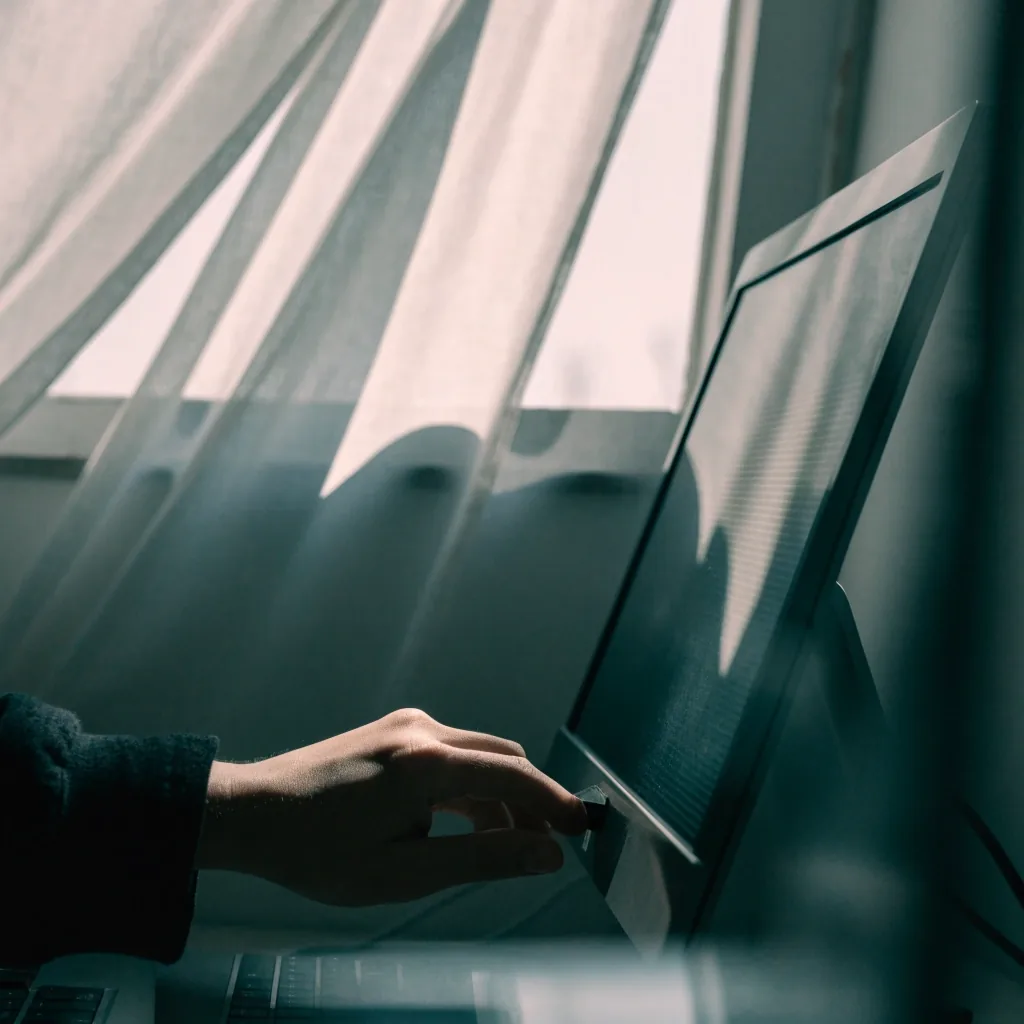
Dry eye tends to sting and water in air-conditioned rooms. Simple strain usually eases when you look away and rest.
Dry eye is a different problem
Sometimes the issue is not strain at all. If your eyes sting, water unexpectedly, or feel worse in air-conditioned rooms, you may be dealing with dry eye rather than simple fatigue. Lubricating drops and a humidifier can help there, though they are supportive measures rather than a fix for everything.
If dryness is the pattern, a lubricating drop and a humidifier are reasonable first steps. If it continues, that is a conversation for an eye care professional, not another week of experimenting on your own.
Understand dry eye and dropsSet up your screen before you blame your eyes
Too-close or awkward viewing distance is a common, fixable contributor to digital eye strain. Phones held near the face and laptops pushed too far forward both force your eyes into uncomfortable positions for hours.
A few minutes spent on distance, screen height, and posture pays back across every working day, and it costs nothing.
Phone-heavy days in Indonesia
A lot of screen time here happens on a phone rather than a desk. Bright sunlight, a brightness setting that forces you to squint, and holding the device close all stack up. Raise brightness to match your surroundings, increase font size, and use dark themes in dim rooms.
Reading and study sessions count too
Screen strain gets the attention, but reading without breaks and dim light cause the same fatigue. Students preparing for exams often read for hours with no pause and no adjustment to the room. Insert a look-away pause between chapters or problem sets rather than pushing straight through.
When a professional check makes sense
Ordinary fatigue improves when you rest and adjust your setup. Some things do not. Uncorrected vision problems and persistent dry eye can make strain worse, and Mayo Clinic notes that eyestrain has many triggers beyond screens.
How to use this site
Start with the strain guide if you are not sure what you are dealing with. If you already know it is screen-related, go straight to the screen habits or lighting guides and change one thing this week.
The blue-light and dry-eye pages exist to save you money on the wrong fix. Each guide is written to stand alone, so you can read the one that matches your situation and ignore the rest.
Ask us a questionQuestions we get most often
Short answers, with the fuller explanation in the linked guide.
Does the 20-20-20 rule really help?
It addresses two real causes at once: sustained near focus and reduced blinking. The exact timing matters less than the pause itself, so a flexible version you actually keep beats a strict one you abandon.
Are blue-light glasses worth buying?
A 17-study review found no meaningful benefit for eye strain compared with standard lenses, and the American Academy of Ophthalmology does not recommend them for computer use. If you like them for other reasons, that is a personal choice, but do not expect them to solve screen fatigue.
How do I know if it is dry eye rather than simple strain?
Dry eye tends to bring stinging, a sandy feeling, or watery eyes that get worse in air-conditioned or dry rooms. Simple strain usually eases when you look away and rest. If dryness is the pattern, a lubricating drop and a humidifier are reasonable first steps.
What screen settings make a noticeable difference?
Raising text contrast, increasing font size, and matching screen brightness to the room are the ones people notice fastest. A matte screen filter helps if glare is the main problem.
When should eye fatigue be checked by a doctor?
If discomfort persists despite rest and setup changes, or comes with headaches or blurred vision, get it checked. Uncorrected vision problems can make strain worse, and that is not something a habit can fix.
A note on what we do not claim
We do not promise that any habit will eliminate eye fatigue, and we do not sell eyewear, drops, or filters. The guidance here reflects what current clinic and ophthalmology sources recommend, presented plainly so you can decide what fits your day. Where the evidence is thin, we say so. That is more useful than a confident answer that does not hold up.
Reach the team
Jl. Cikini Raya No. 58, Menteng, Jakarta Pusat, DKI Jakarta 10330, Indonesia
Monday to Friday, 9:00 AM – 6:00 PM; Saturday, 9:00 AM – 1:00 PM